-
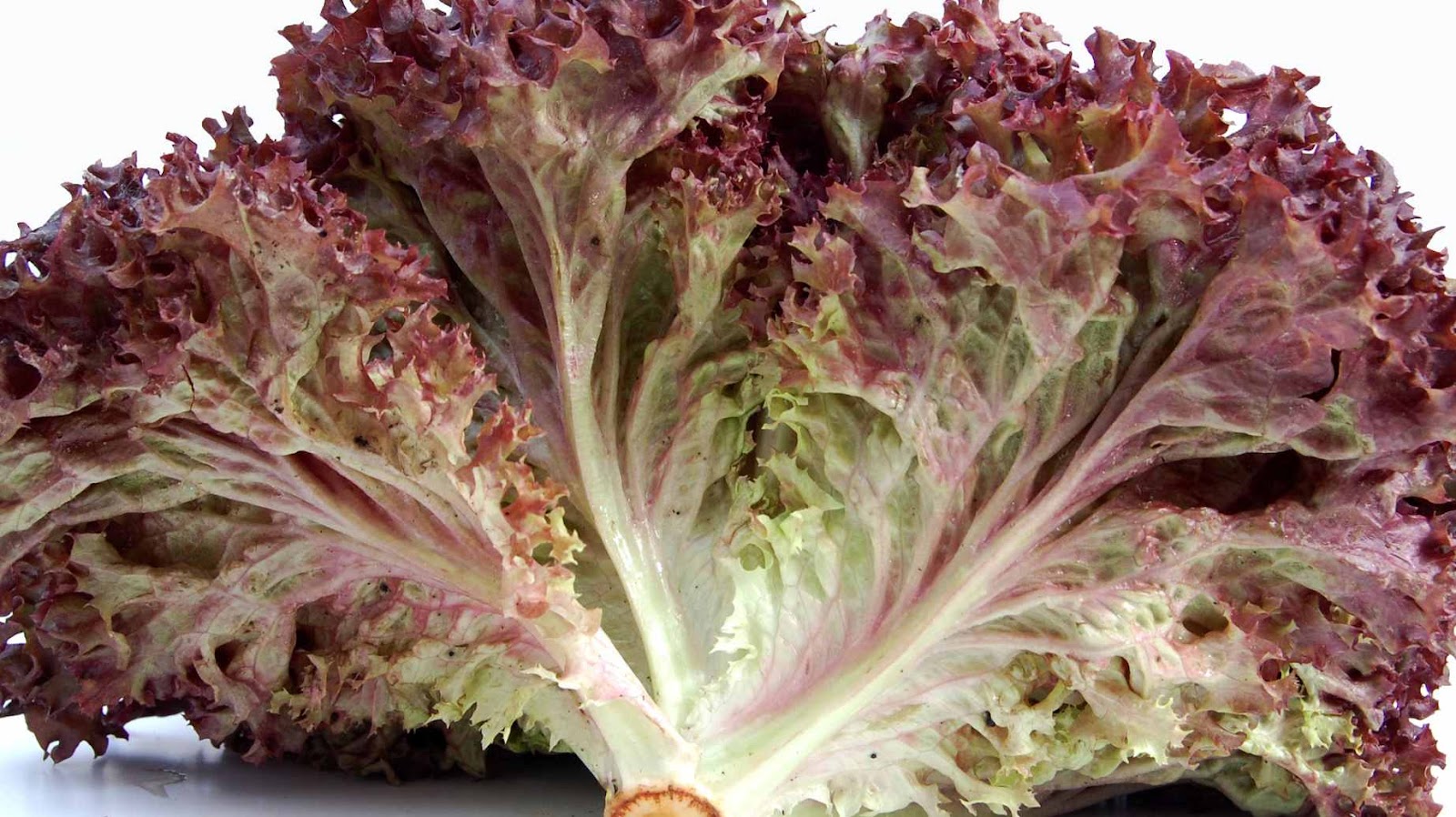
The Nutritional Value of Red Lettuce
-
The Possible Risks of Consuming Kale
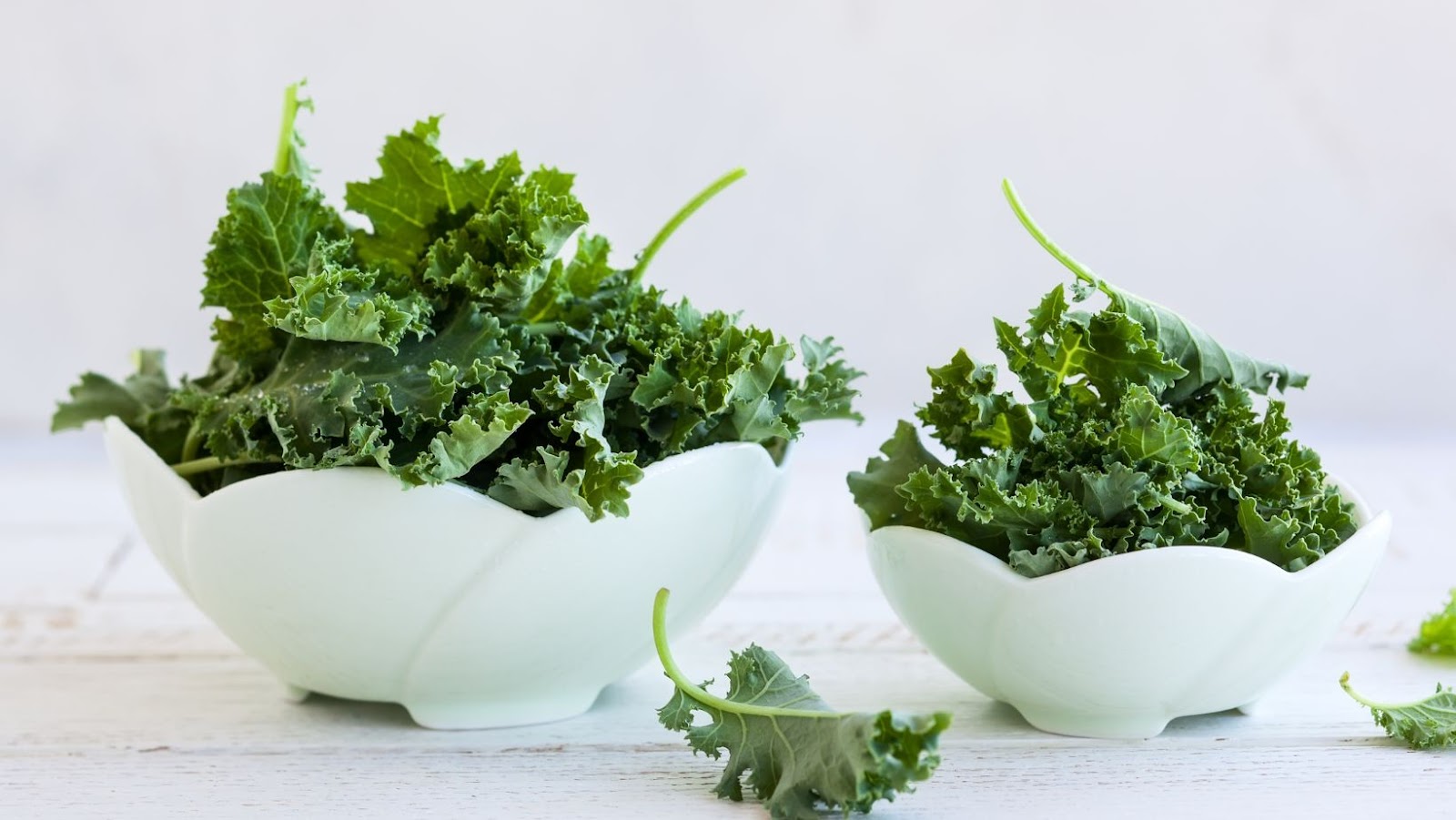
Although kale is considered to be a healthy food, it is high in oxalates which could lead to health problems. Oxalates are substances that are found in many plants, including kale. When these substances enter the body, they can bind with minerals such as calcium and magnesium, forming crystals that can be deposited in the…
-
The Potential Risks of Yellow Kale
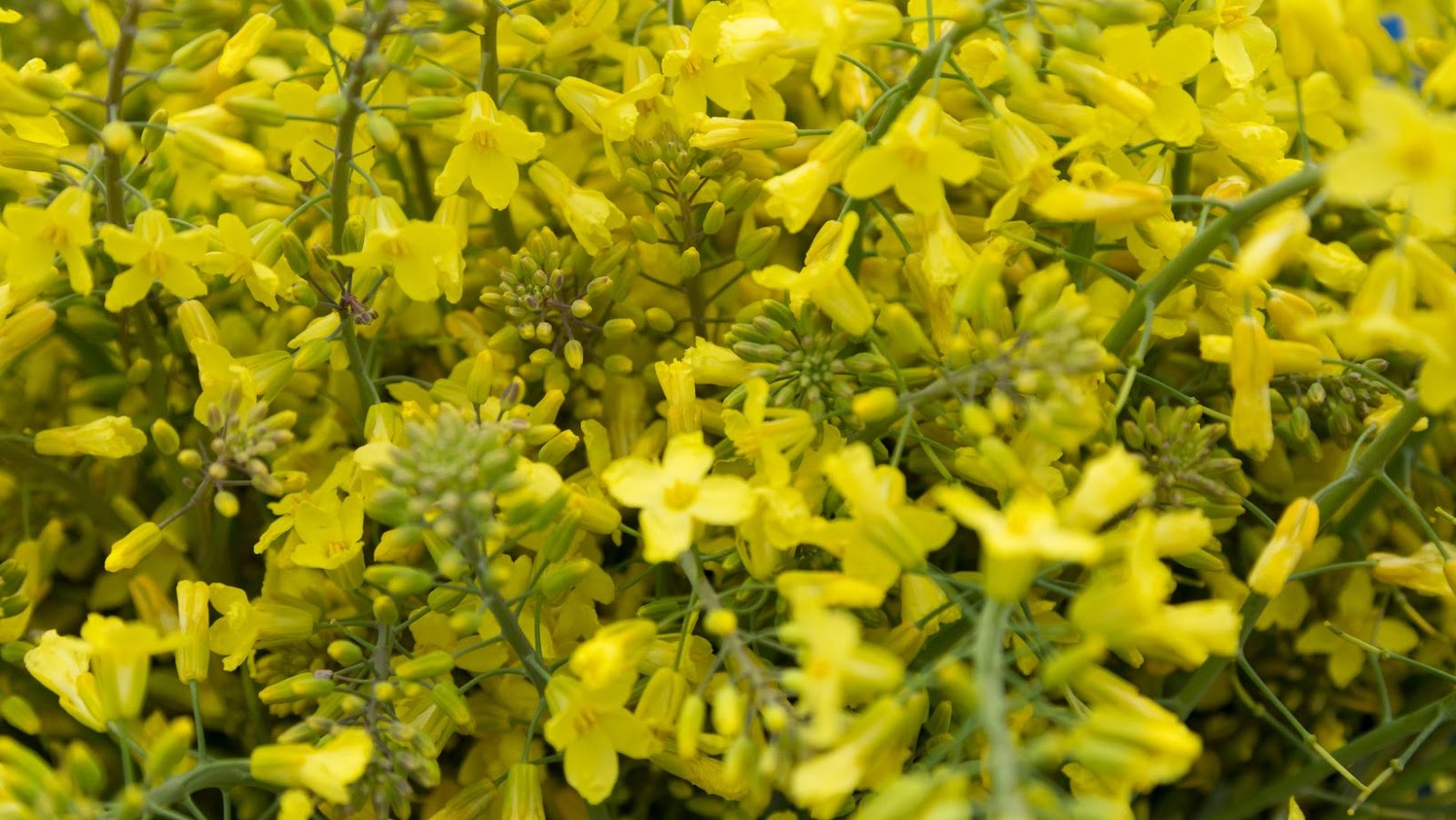
Yellow kale is a type of kale that is characterized by its yellow leaves. It is a member of the Brassica family, which also includes cruciferous vegetables such as cabbage, broccoli, and Brussels sprouts. Like other types of kale, it is a nutrient-dense food that is linked to various health benefits. However, yellow kale may…
-
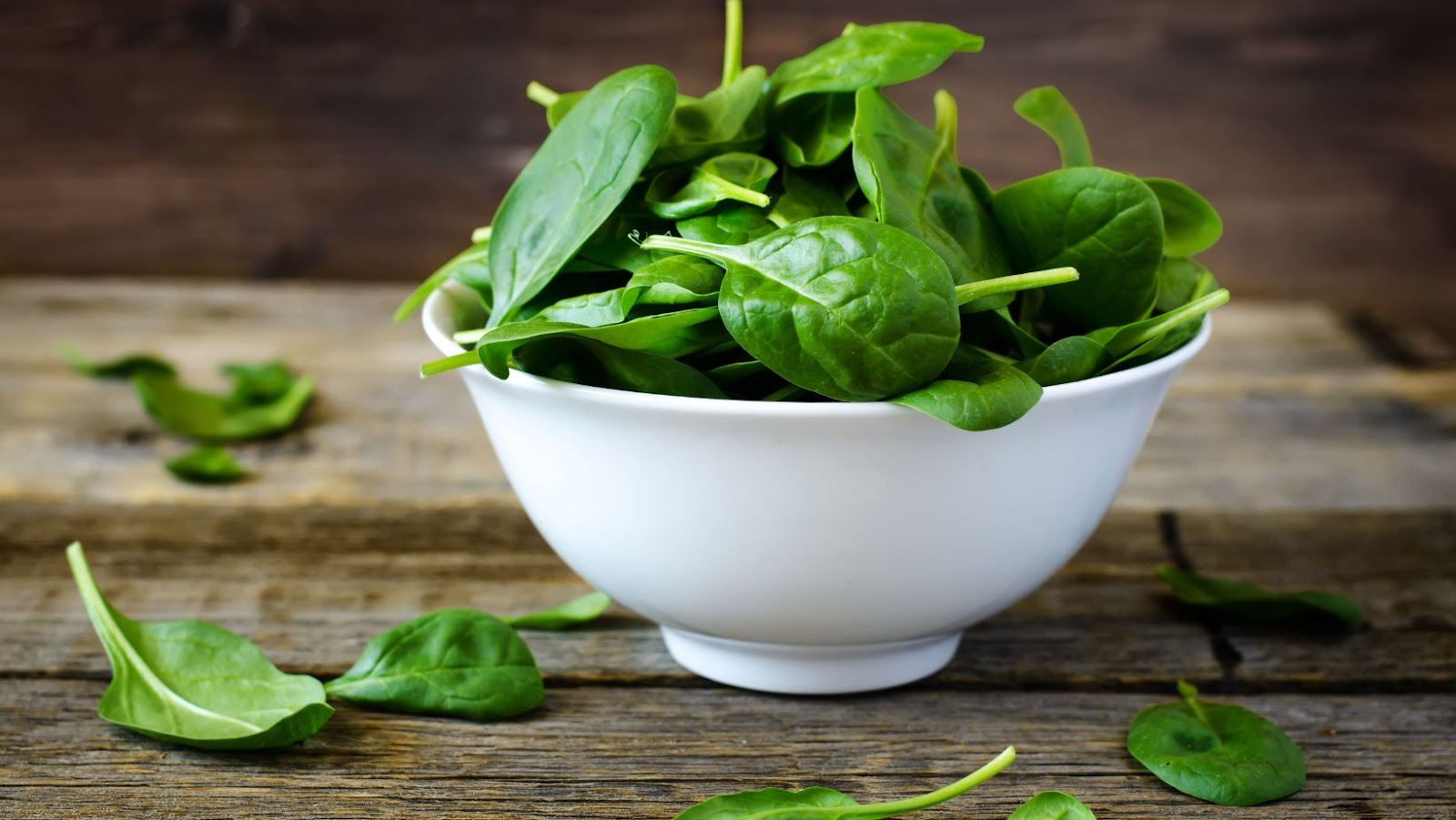
The Risks of Spinach For Bearded Dragons
-
Tips For Feeding Tortoises Eat Spinach

Tortoises are unique creatures with special dietary needs. In the wild, they graze on a variety of grasses, weeds, and other greens. Replicating this diet can be challenging, but it is important to provide your tortoise with a nutritious diet that will meet its needs. One of the best foods you can give your tortoise…
-
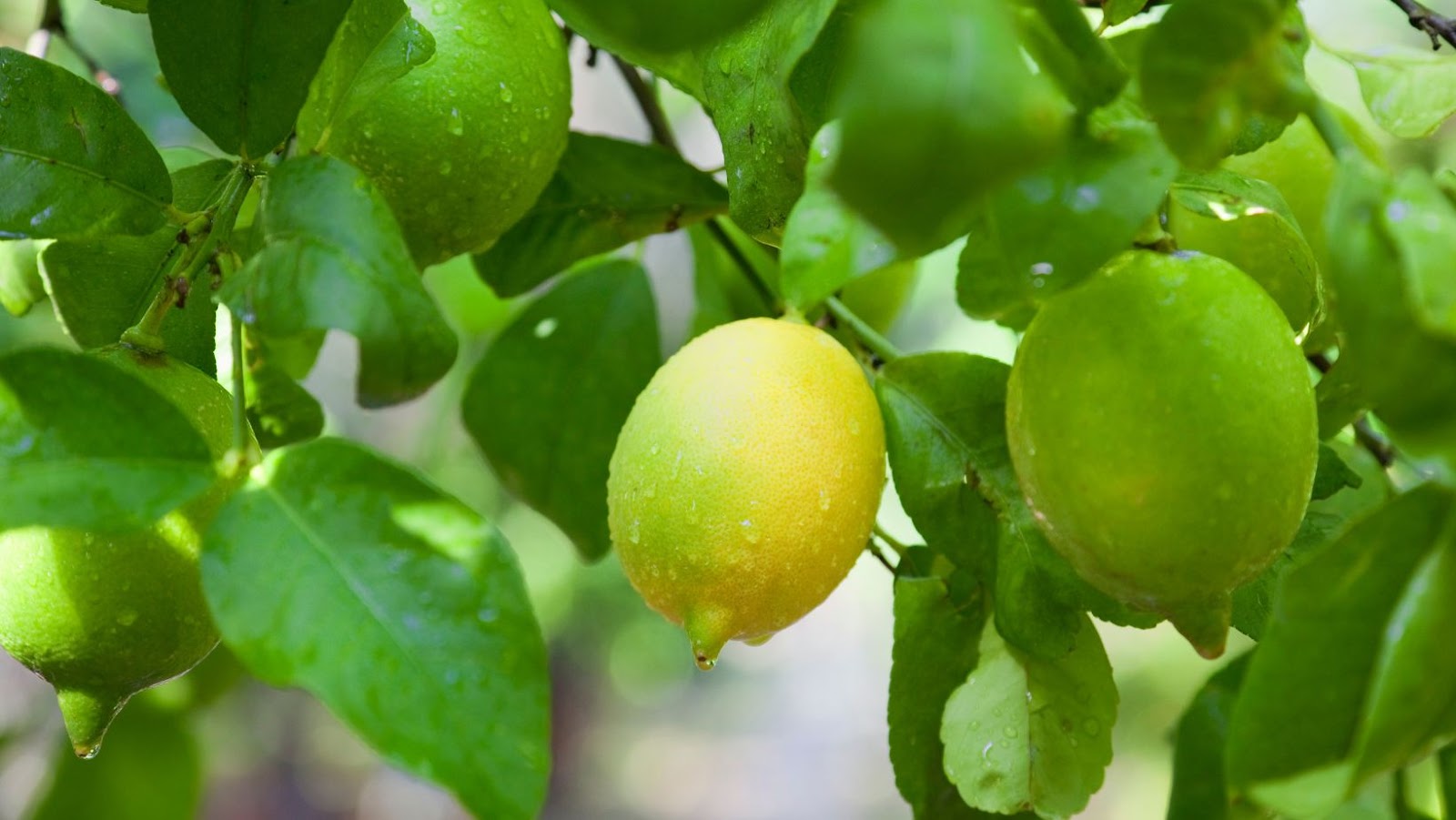
The Uses of Lemon Tree Leaves
-
Tips For Growing Chives And Spring Onions
Are you wondering whether to plant chives or spring onions in your garden? Both are great choices, but which one is right for you? Here are a few tips to help you decide. Are Chives And Green Onion The Same Chives and spring onions are two vegetables that are often used interchangeably in recipes. They…
-
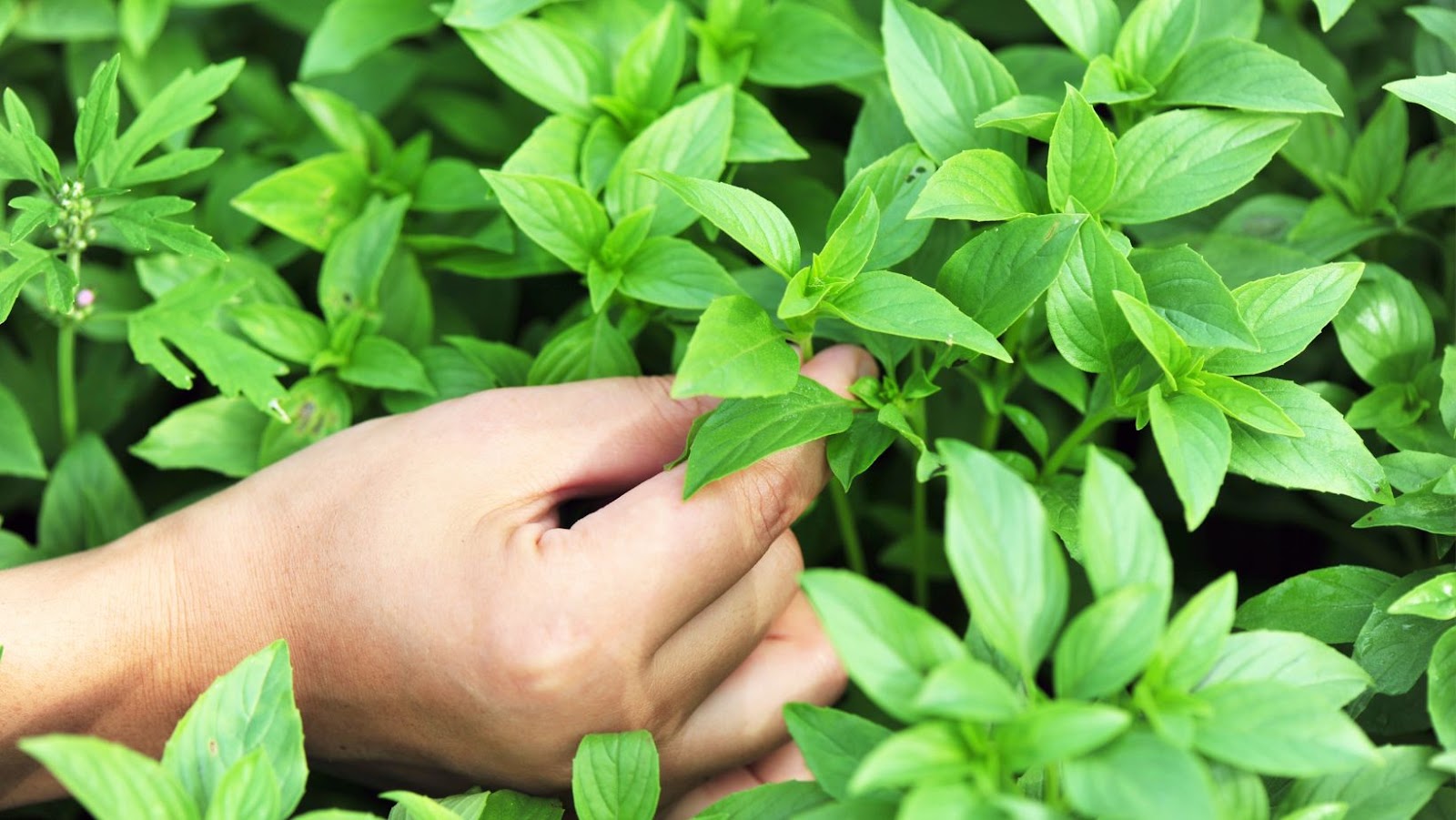
Tips For Storing Basil
-
To Care For Spinach Flowers
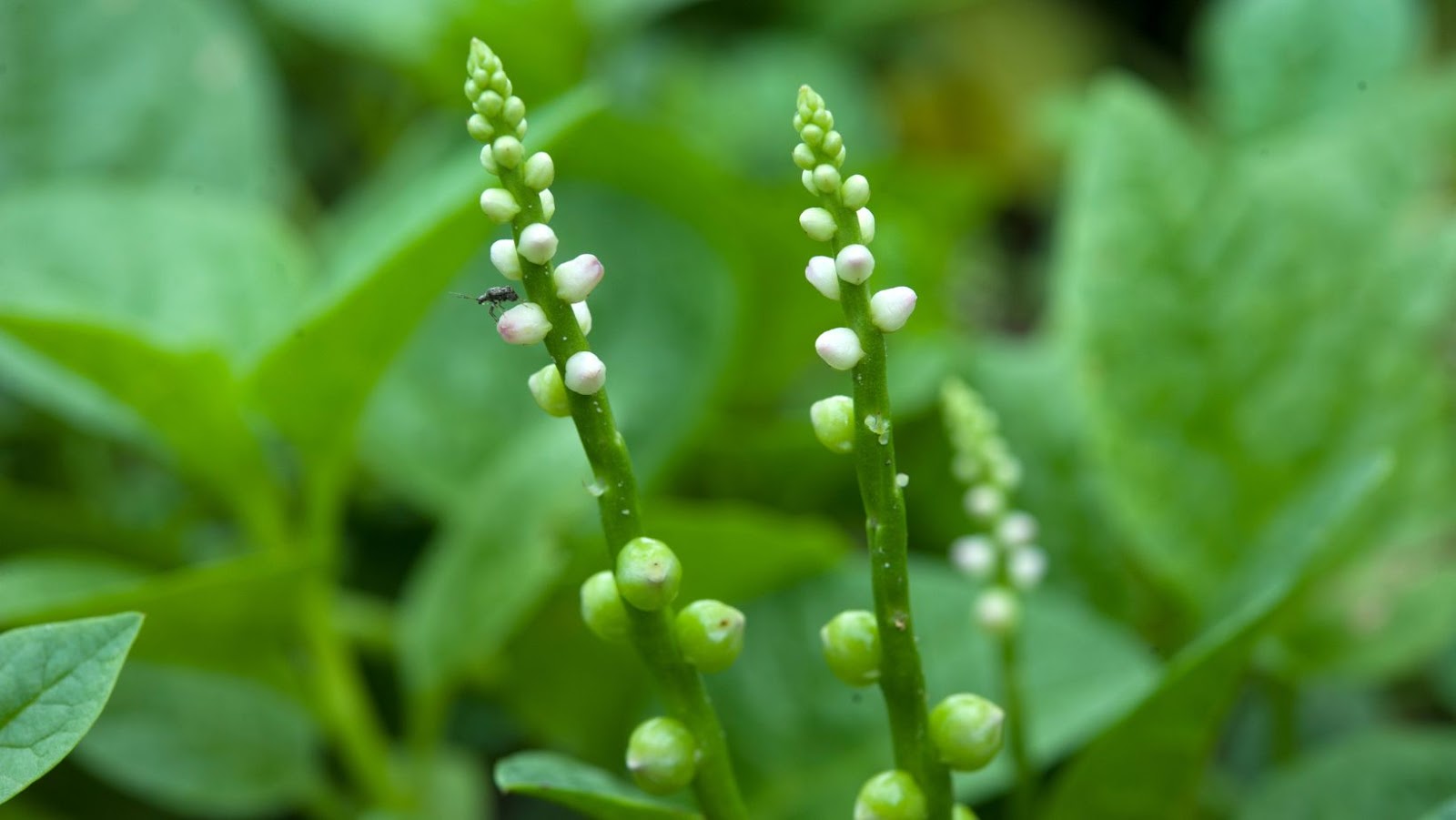
To care for spinach flowers, start by planting the seeds in soil that is high in organic matter. Water the seeds deeply and keep the soil moist until they germinate. Once the seedlings emerge, thin them so that they are spaced about 6 inches apart. water regularly and fertilize with a balanced fertilizer every 4…
-
Watercress vs Arugula: Health Benefits
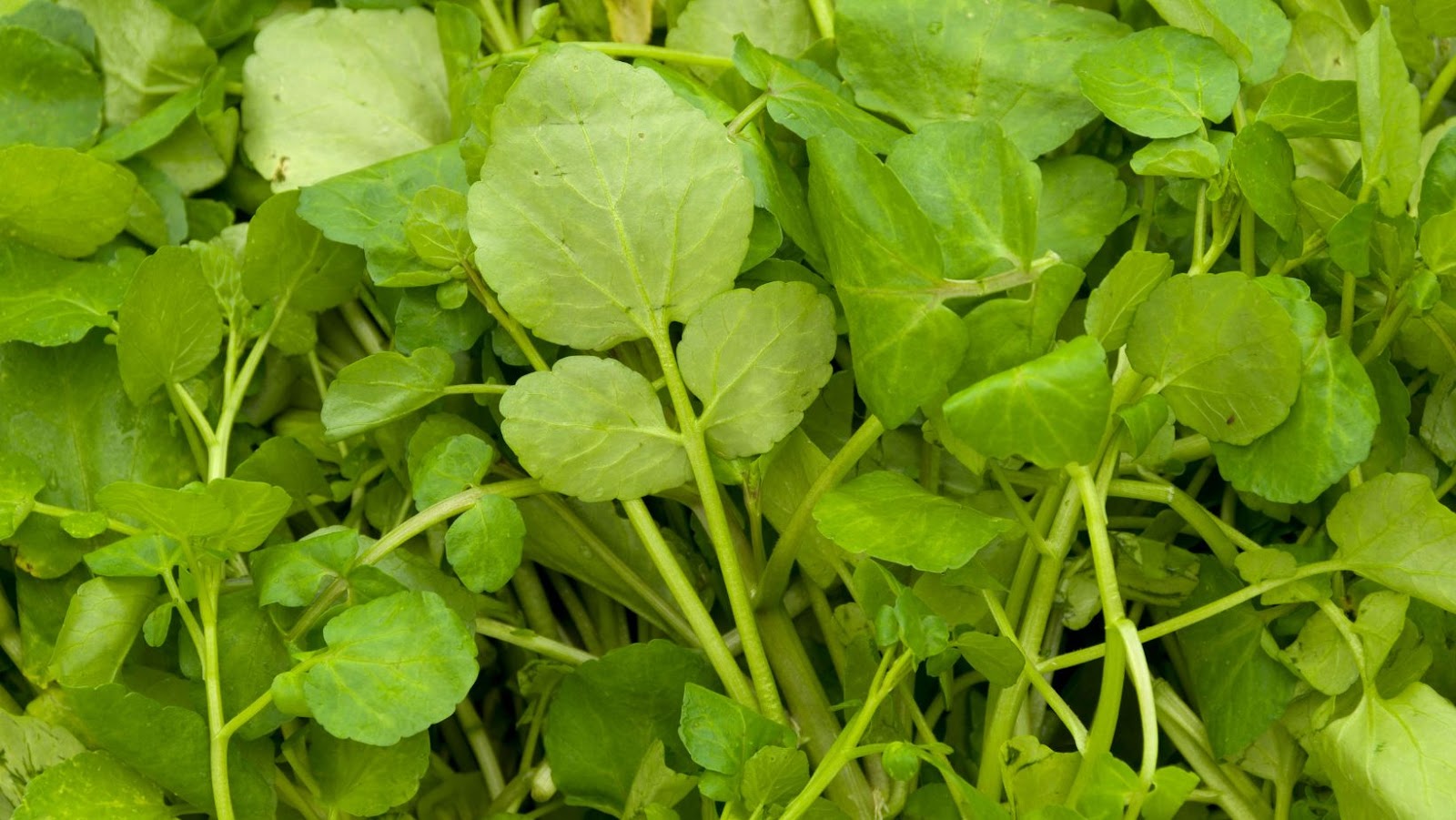
Watercress and arugula are two leafy greens that offer a host of health benefits. They are both rich in vitamins and minerals, and have been linked to improve blood sugar control, lower cholesterol levels and blood pressure, and protect against cancer. While they share many similarities, there are also some key differences between these two…